

Popular Questions on ONDC Seller Apps
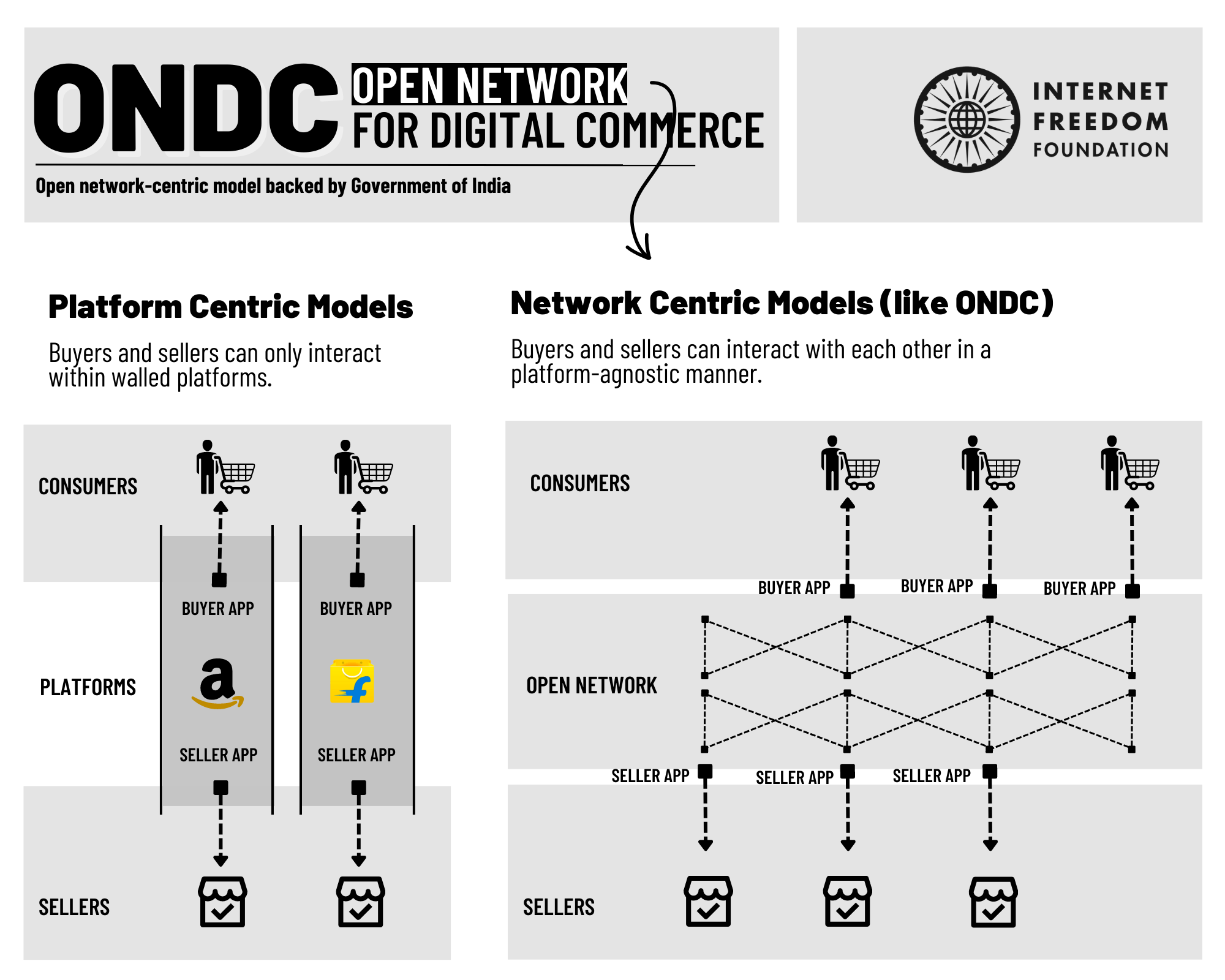
If you’re a seller in India—whether you run a kirana store, a D2C brand, a restaurant, online seller selling on Amazo/Flipkart or a manufacturing business—you’ve probably heard about ONDC and wondered:
“How does this actually work for me?”
“Which app do I need?”
“Is it complicated?”
You’re not alone.
Since its launch, ONDC has moved quickly from an experiment to a large-scale commerce network:
- 350+ million cumulative transactions recorded by late 2025
- 5–6 lakh orders per day run-rate in early 2025
- Target of 50–60 lakh daily orders by 2026
- 7.6 lakh+ sellers and service providers onboarded
- Active buyers across 800+ cities, with strong Tier-2 and Tier-3 growth
Behind every successful ONDC transaction is a seller app.
This guide answers the most common seller questions—clearly, practically, and without jargon.
How to register on an ONDC seller app ?
Registering on an ONDC seller app is similar to onboarding on any modern commerce platform—but with more control and less dependency.
Here’s how it usually works:
- You select an ONDC-certified seller app such as Costbo
- You create an account using your mobile number or email
- You complete business verification (GST, PAN, bank account)
- You upload your product or service catalog
- You define pricing, serviceable pincodes, and return policies
- Your store goes live on the ONDC network
Once live, your products become discoverable across multiple ONDC buyer apps, not just one marketplace.
👉 Most seller apps complete onboarding in 2–7 working days, depending on documentation and catalog readiness.
Are there ONDC seller apps that offer integrated payment solutions?
Yes—and this is one of the biggest advantages of mature ONDC seller apps.
Integrated payment solutions typically include:
- UPI and net banking support
- Network-compliant payment workflows
- Automated settlement cycles
- Clear visibility into commissions and fees
Instead of setting up and managing separate payment gateways, sellers receive direct settlements into their bank accounts, aligned with ONDC-defined timelines.
Platforms like Costbo provide end-to-end payment and settlement handling, reducing operational complexity for sellers.
Where can I download a popular ONDC seller app?
ONDC seller apps are not listed like consumer shopping apps on a single app store.
Most ONDC seller platforms are accessed through:
- Their official websites
- Web-based dashboards (for full catalog, order, and inventory control)
- Android apps (for assisted or mobile-first seller operations)
In most cases, sellers begin onboarding on the platform’s website and receive access to dashboards or mobile apps after registration and verification.
What companies provide ONDC seller apps for small businesses?
ONDC has encouraged the growth of seller apps designed specifically for small businesses and MSMEs, including:
- Kirana and local retail stores
- D2C and regional brands
- Manufacturers and wholesalers
- Service providers
These seller apps focus on:
- Simple onboarding
- Lower operational costs than traditional marketplaces
- Easy catalog and order management
- Continuous compliance with ONDC protocol updates
Among the ONDC 1.2.0–certified platforms, Costbo is widely adopted for helping small and mid-sized businesses go live quickly while retaining pricing and operational control.
Can I manage inventory through an ONDC seller app?
Absolutely. Inventory management is a core requirement of every ONDC seller app.
Most platforms allow sellers to:
- Manage stock in real time
- Update prices and availability instantly
- Track SKU-level inventory
- Support multi-location or multi-store setups
This ensures that buyer apps always display accurate availability, which helps:
- Reduce order cancellations
- Improve fulfillment reliability
- Build better seller ratings across the network
Which ONDC seller apps support multi-language options?
As ONDC adoption grows beyond metros, multi-language support has become increasingly important.
Many seller apps now support:
- English
- Hindi
- Select regional languages (platform-dependent)
Multi-language dashboards help sellers from Tier-2, Tier-3, and Bharat markets manage catalogs, orders, and settlements without being limited by English-only interfaces.
Platforms like Costbo are actively expanding language support to improve accessibility for non-English-speaking sellers.
Final Thoughts
ONDC seller apps are not just another selling channel—they are the infrastructure layer of India’s open digital commerce future.
With the right seller app, businesses can:
- Reach buyers across multiple apps
- Avoid single-marketplace dependency
- Maintain control over pricing and inventory
- Scale sustainably as ONDC adoption accelerates
As ONDC moves toward 10× growth by 2026, choosing a reliable, protocol-compliant seller app is no longer optional—it’s strategic.
References
- Open Network for Digital Commerce (ONDC) – Official Website
https://ondc.org - DPIIT, Government of India – ONDC Initiative & Policy Framework
https://dpiit.gov.in - ONDC Network Disclosures & Public Growth Updates (2024–2026)
Read More
- Building Blocks of ONDC: A Detailed Guide to India’s Open Digital Commerce Infrastructure
- ONDC A Revolutionary Open eCommerce Network – in Action
- Roles of Seller App & Buyer App on ONDC Network
- Why Sell Online Through the ONDC Network?
- Getting Started as a Seller on ONDC: Registration Options
- Which Is the Best ONDC Seller App? Features, Pros & Cons (2026)
- Best ONDC Buyer Apps in 2026: Features, Pros & Cons
Related post
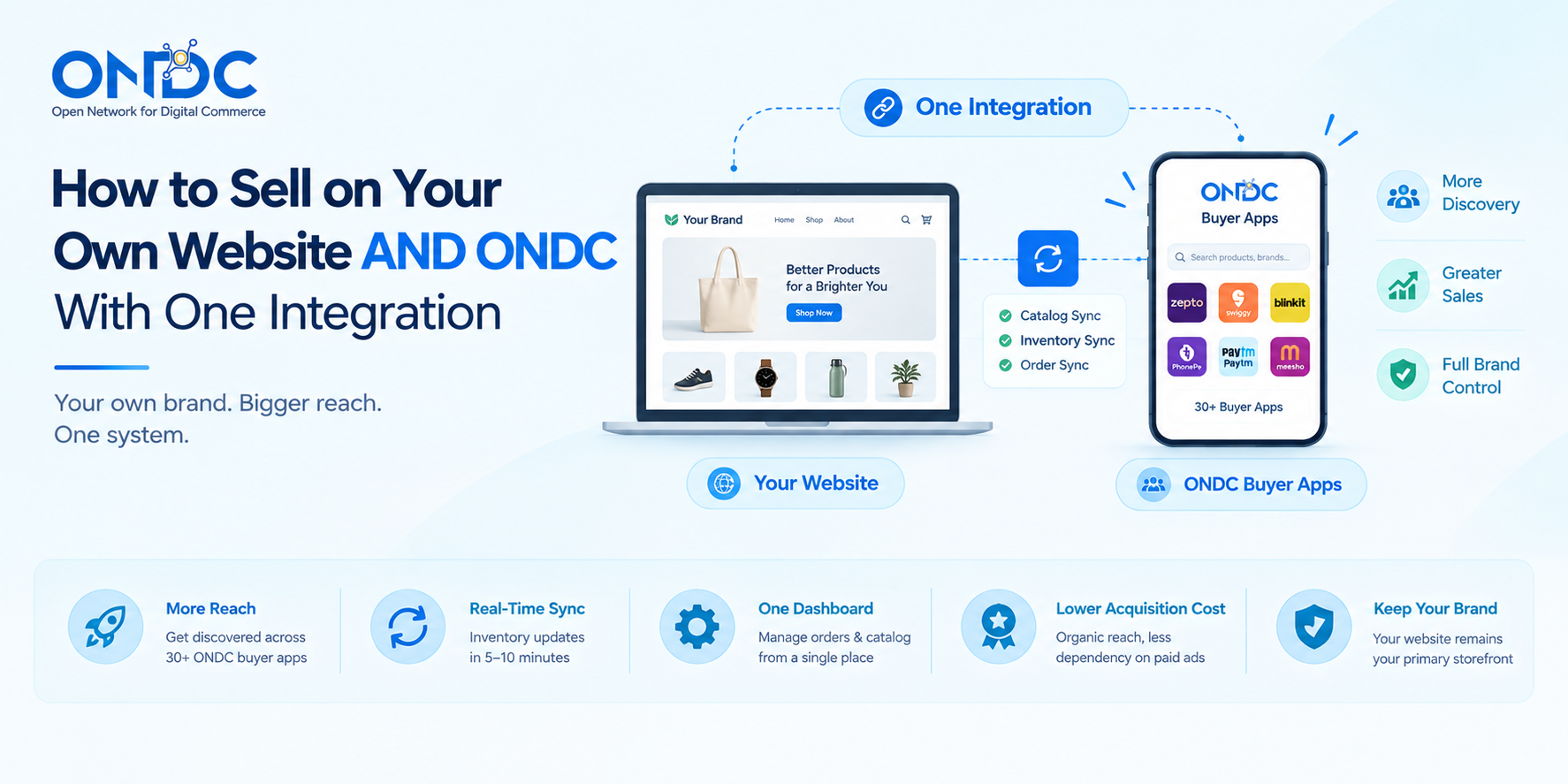
How to Sell on Your Own Website AND ONDC With One Integration
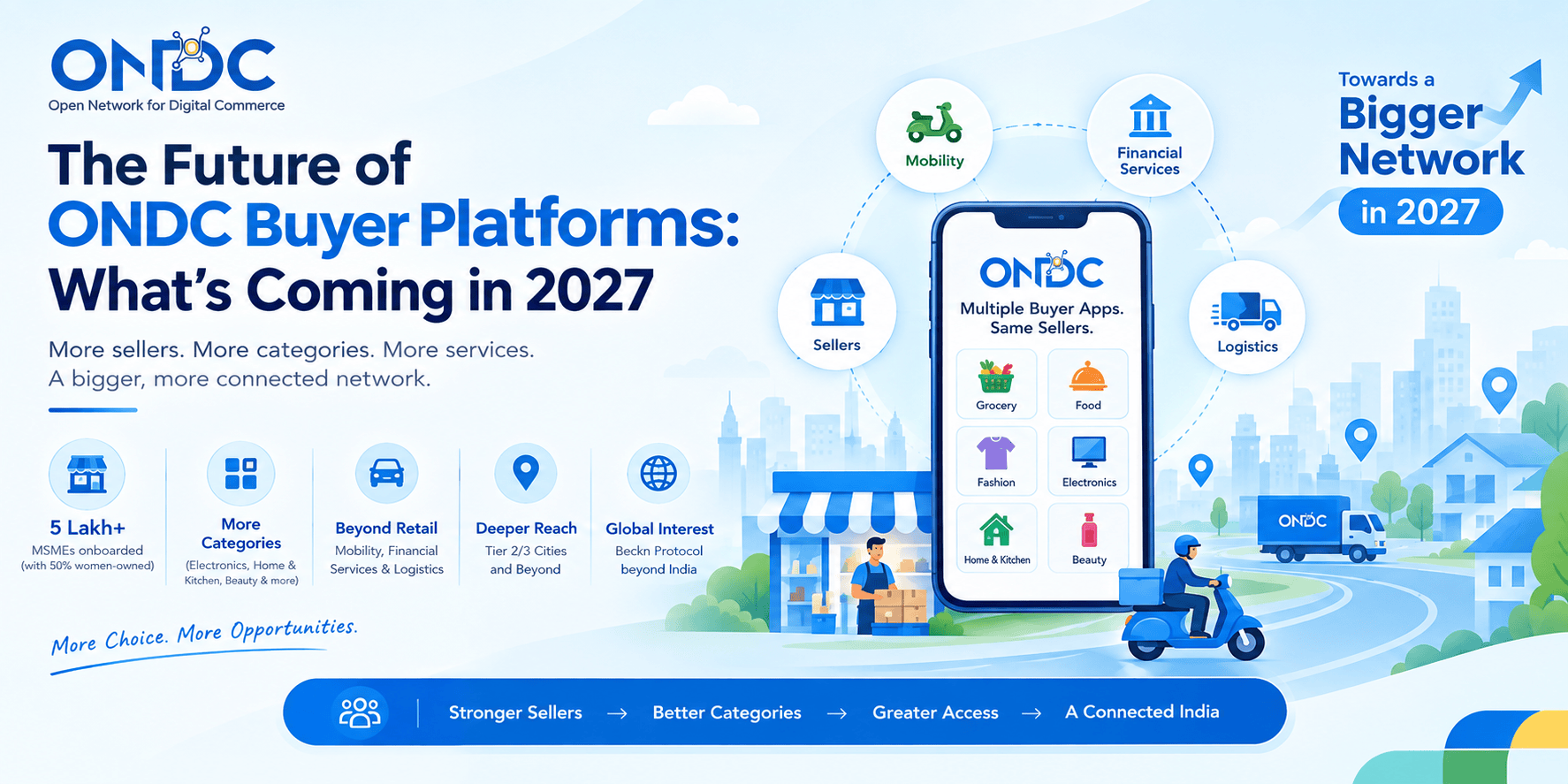
Future of ONDC Buyer Platforms: What's Coming in 2027
.png)
How Logistics & Delivery Partners Plug Into ONDC Buyer Platforms
.png)
Sounds like COSTBO might be the right choice for your business?
Get started by registering your business today! If you have any questions, we're here to help. Our team will reach out to you with detailed information about our offerings, product features, and a demo